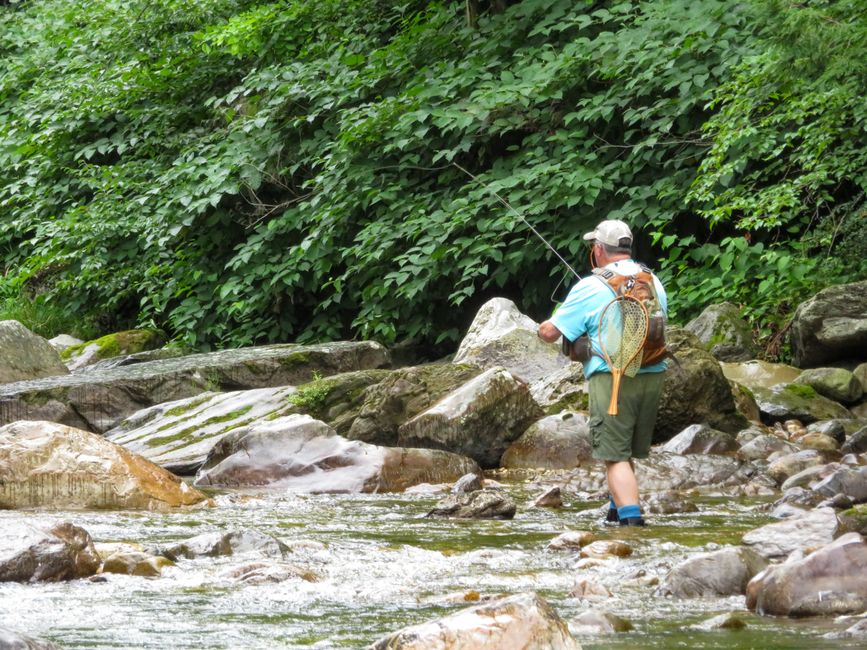
A cabin weekend on the Nantahala is mostly a packing problem. You have a vehicle, a few days, and water that runs from tight gorge pockets to open river stretches, plus a cabin at roughly 3,500 feet where the mornings start colder than the afternoon. The good news is that the tackle list for this kind of trip is short and forgiving. You do not need a duffel of specialty rods. You need a handful of items chosen well, and a plan for the small things that end a fishing day early when they are missing.
The Rod Setup That Covers Most Nantahala Days
If you read enough local advice about Nantahala River trout fishing, one recommendation shows up again and again: a 9-foot, 4- to 5-weight rod. That range gives you the balance and flexibility to handle most conditions you will meet on this water, which is exactly what you want when you are packing for a single weekend and cannot bring three setups.
Why a 9-Foot 4- to 5-Weight Is the Right Call
A 9-foot 5-weight is the workhorse. It will cast small dry flies, a nymph rig with a little weight, and lighter streamers without feeling like you grabbed the wrong tool. A 4-weight is the nicer choice on a dry fly day and protects lighter tippet, but it gives up a little when you need to push a weighted fly across a current. If you own only one rod, bring the 5-weight and do not think about it again.
Reels, Lines, and Leaders
On trout water this size, the reel mostly holds line. A smooth drag is pleasant, but a reliable click-and-pawl or a mid-range disc drag will not be the reason you lose a fish. Bring a floating weight-forward line matched to the rod, and add a spare spool with a sink tip or streamer line if you enjoy swinging flies. Pack 9-foot leaders with 4X to 6X tippet. Spools of tippet should be duplicated, because gorge rock, rhododendron, and overhanging brush claim terminal tackle faster than fish do.
Flies Worth Space in the Box
Local shops along the river stock the flies that actually work on the Nantahala, which tells you something useful: matching the local box beats guessing from a national catalog. Buying a few flies from a shop near the water also gets you a current report and a license in the same stop.
Streamers and Wooly Buggers
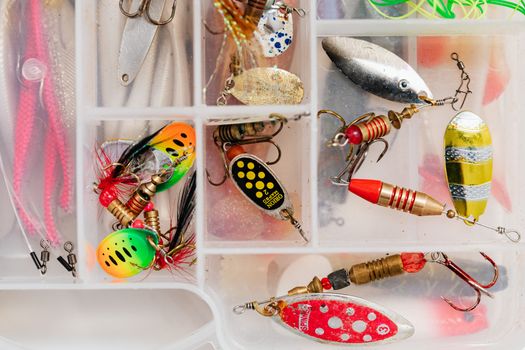
Wooly Buggers in black, yellow, and white are specifically named for the Nantahala's larger brown trout, and they are worth carrying in a few sizes and weights. A streamer on a sink tip or a floating line can spark a reaction from a fish that has ignored everything drifting past its nose. Spring float trips on the Nantahala and the Tuckasegee are a natural fit for this style of fishing, and April is often mentioned as a strong month to be on the water.
Nymphs, Dries, and Options
Anglers who fish here regularly report days when fish are visible and completely uninterested in almost anything presented to them. That is not a reason to overpack, but it is a reason to carry variety. A modest selection of nymphs in different sizes and weights, a few dry flies for when fish are looking up, and a couple of attractor patterns will cover more situations than a box of one pattern in ten sizes. The Nantahala's delayed harvest water comes highly recommended and is worth working carefully if it is open when you visit. Check current regulations before you fish it.
Waders, Boots, and Layers
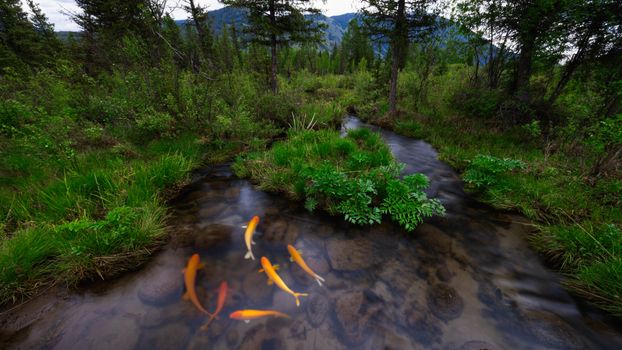
River rock in the gorge is slick, and the water runs cold year round because it comes out of the bottom of a dam. Breathable waders with a wading belt are the standard choice. For boots, studded rubber soles give the best grip on wet stone; if you prefer felt, confirm the current rules on sole material before you rely on them, since those rules can change. A wading staff is cheap insurance on a strange river.
Layering matters as much as the waders. A morning on the water here can feel far colder than an afternoon on a cabin porch, and the gorge holds that cool air longer than the surrounding ridges. Pack a moisture-wicking base layer, a fleece or light puffy, and a waterproof shell. A dry bag or a dry top layer left in the vehicle in case you take an unplanned swim is a small thing that saves a whole evening.
Small Items That Make or Break a Day
The accessories take up almost no space and are the items people forget. Put these in one bag so the morning departure is quick.
- Rubber-bagged landing net
- Nippers and forceps or hemostats
- Floatant and desiccant for dry flies
- Split shot and a couple of strike indicators
- Polarized sunglasses and a cap with a brim
- Headlamp with spare batteries
- Small dry bag or waterproof phone pouch
- Sunscreen and insect repellent
- Snacks and a full water bottle
- A towel and a dry change of clothes in the vehicle
What You Can Leave Behind
You are not packing for a backcountry expedition. The cabins have full kitchens, so there is no need to haul a camp stove and a cooler of meal prep. A washer and dryer means wet waders and river clothes can be dried rather than stuffed back into a suitcase damp. A firepit at the cabin makes a post-fishing evening easy, so leave the portable fire gear at home. Keep the truck focused on fishing and let the cabin handle everything after you step out of the water.
Licenses, Shops, and Guides
You can buy your North Carolina fishing license right at local fly shops along the river, which makes the logistics simple. One local trout fishing resource lists a 10-day license at $28 and an annual license at $54. Treat those as a starting reference rather than a fixed price, and confirm current fees and residency rules with the North Carolina Wildlife Resources Commission before your trip.
Guide Contacts to Save Before You Drive Up
If you want to shorten the learning curve, guided fly fishing is available on both the upper and lower sections of the Nantahala. Dakota Rogers with Nantahala On The Fly can be reached at 828-736-0784, and Daniel Boone with Nantahala Fly Fishing Company can be reached at 866-910-1013. Hookers Fly Shop and Guide Service also offers guided trips on the Nantahala. Local float trips run with light tackle and fly gear, and the Franklin and Nantahala rivers are known for an abundance of trout and some of the best fly fishing opportunities in the country.
Fly Fishing Packing List at a Glance
| Category | What to Pack | Why It Matters |
|---|---|---|
| Rod and reel | 9-foot 4- to 5-weight, spare spool | Balance and flexibility for most conditions |
| Lines and leaders | Floating WF line, 9-foot leaders, 4X to 6X tippet | Covers dries, nymphs, and light streamers |
| Flies | Wooly Buggers in black, yellow, white, plus assorted nymphs and dries | Local shops stock what works on this water |
| Waders and boots | Breathable waders, wading belt, studded soles | Slick rock and cold, dam-fed water |
| Accessories | Net, nippers, forceps, floatant, polarized glasses, headlamp | Keeps the day moving without trips back to the cabin |
| License | North Carolina license from a local shop | Required to fish, and easy to buy on the way in |
Shaping the Weekend Around the Water
Give the first morning to a shop visit and a license, then fish the closest water while you learn the river's mood. Save the delayed harvest stretch for a day when you can take your time, and keep a streamer rod rigged for the last hour of light when big brown trout are more willing to chase. If the fish are visible but uncooperative, change size and depth before you change location.
Back at the cabin, rinse waders, hang them to dry, and lay flies out to air. A little maintenance on Saturday night means Sunday morning starts on the water instead of in the driveway untangling leader. Pack light, buy local, and let the weekend be about the river rather than the gear list.
Frequently Asked Questions
What rod weight should I bring to the Nantahala?
A 9-foot, 4- to 5-weight rod is the standard recommendation for most conditions on the Nantahala. The 5-weight is the more versatile choice if you only bring one rod, since it handles dries, weighted nymphs, and lighter streamers. A 4-weight shines on dry fly days and lighter tippet, but gives up a little when you need to punch a heavy fly into the wind.
Can I buy a fishing license near the Nantahala?
Yes. Local fly shops along the river sell North Carolina fishing licenses, so you can handle the paperwork on the way to the water. A local trout fishing resource lists a 10-day license at $28 and an annual license at $54. Confirm current fees, residency categories, and regulations with the North Carolina Wildlife Resources Commission before you go.
What flies should I pack for Nantahala trout?
Wooly Buggers in black, yellow, and white are specifically named for the river's larger brown trout and are worth carrying in several sizes. Beyond streamers, bring a varied selection of nymphs in different weights plus a few dry flies for when fish are rising. Local shops stock the patterns that work here, so a quick stop before you fish is worth the time.
Is April a good time to fly fish the Nantahala?
April is frequently mentioned as a great time for float fishing trips on the Nantahala and Tuckasegee rivers, and spring streamer fishing with patterns like Wooly Buggers can draw strikes from large brown trout. Water and weather conditions vary year to year, so check a current local fishing report and streamflow before you commit to a float plan.