
Topton sits in the Nantahala Gorge, close enough to the Nantahala River that you can be standing in cold moving water a few minutes after you finish your coffee. The river is one of the South's most celebrated trout fisheries, and North Carolina Game and Fish named it one of the state's ten best. It holds wild trout, it holds trophy fish, and it is managed in distinct sections that fish very differently from one another. Knowing which stretch you are standing on shapes how you rig up, where you wade, and what you should expect from a day on the water in 2026.
Why the Nantahala River Draws Trout Anglers
The Nantahala earned its reputation over decades, not seasons. North Carolina Game and Fish named it one of the state's ten best waters, and the fishing holds up across most of the river, from the headwaters above Nantahala Lake down through the upper Nantahala below the lake. That range is part of the appeal. You can chase wild fish in a small, technical stretch in the morning and work a broader, heavier piece of water in the afternoon without leaving the watershed.
The surrounding Nantahala National Forest adds tributaries and feeder creeks to the picture. If you would rather spend a quiet day working a pristine stream on your own, the forest gives you options beyond the main stem. Anglers who fish the river regularly report that a skilled fisherman can land anywhere from 10 to 40 trout in a day, which is a wide range for a reason: the water rewards people who read it well.
How the Nantahala Is Managed, Section by Section
The river is not one fishery. It is several, and each one carries its own rules and its own personality. Here is the broad structure as described by regional fishing sources.
| Section | What anglers should know |
|---|---|
| Headwaters above Nantahala Lake, near the North Carolina and Georgia border | Managed as a Wild Trout Stream. All three trout species have wild populations present in this stretch. |
| Below Nantahala Lake | Managed as three distinct sections, which is why the water changes character as you move downstream. |
| Lower Nantahala River | Produced the North Carolina state record brown trout, which weighed 24 pounds 10 ounces. |
Because the designations differ from one stretch to the next, the rules can differ too. Confirm current regulations and license requirements with the North Carolina Wildlife Resources Commission before you wet a line, and ask locally if you are unsure which section you are standing in.
Headwaters Above Nantahala Lake: Wild Trout Water
The headwaters begin around the North Carolina and Georgia border, upstream of Nantahala Lake. This is the stretch that gets managed as a Wild Trout Stream, and it is the one that most rewards a cautious, quiet approach. All three species of trout have wild populations here, which means the fish you are casting to were born in that water rather than stocked into it.
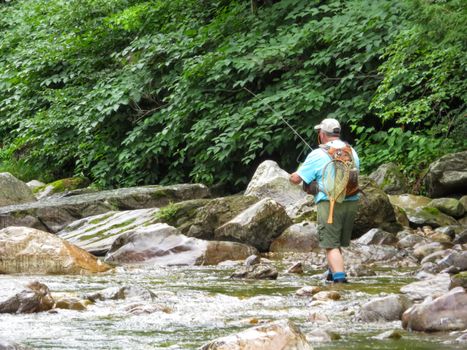
Wild trout water usually means smaller fish and sharper instincts. Light tippet, small flies, and careful presentations matter more than distance. The upside is that a well-read stretch of pocket water can produce a surprising number of fish on a short outing, and you will often have more of the river to yourself than you would downstream.
Below the Lake: Three Managed Sections
Once the Nantahala leaves the lake, it is managed as three separate sections. That structure exists because the river genuinely changes. Gradient, width, flow, and access all shift as you move downstream, and so does the kind of fishing that works. A nymph rig that produces in one section can be the wrong answer a few miles later.
Excellent trout fishing can be found in most parts of the river, including the upper Nantahala below the lake. If you are new to the area, pick one section and learn it properly rather than bouncing between all three in a single morning. Local fly shops and outfitters are the fastest way to narrow down which stretch matches the season and the water conditions on the day you fish.
The Lower Nantahala and the State Record Brown Trout
The lower Nantahala is the stretch with the headline attached to it. The North Carolina state record brown trout, a fish that weighed 24 pounds 10 ounces, was caught on the lower river. Trophy trout and many smaller wild trout inhabit these waters, which tells you something useful about the fishery: it is not only a numbers river. A mixed day with a handful of smaller fish and one serious brown is a real possibility.
Wading, Floating, and Reading the Water
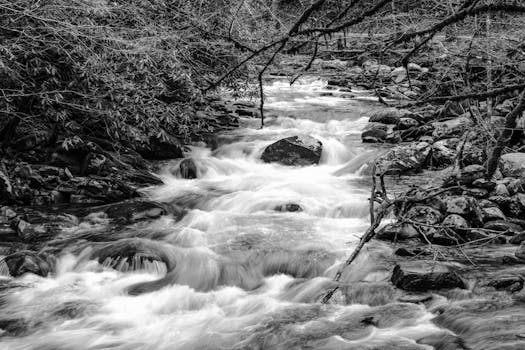
Anglers describe the Nantahala as flowy, and in most of the river you can no longer wade across from bank to bank. That single detail should shape your plan. Wade the edges, gravel bars, and shallower runs, and treat every crossing as a decision rather than an assumption. A wading staff and felt or rubber-soled boots help, and so does fishing with a partner in stronger flow.
Float fishing solves part of that problem. A guided fly fishing float trip on the Nantahala targets wild trout and covers water a wading angler simply cannot reach, which is why float trips are popular with visitors who have one day and want to see several sections of river. Ask local outfitters about current water conditions before you commit to wading, since flows change and the river is not equally forgiving everywhere.
Guided Trips, Clinics, and Schools
You do not need a guide to fish the Nantahala, but a guide shortens the learning curve considerably. Two established options in the area cover different kinds of anglers.
- Nantahala Outdoor Center runs guided Nantahala fly fishing trips aimed at wild trout. Trips start at $360, last about eight hours, include instruction and equipment, are open to ages 10 and older, and run March through October. Lunch is included on full-day trips.
- Nantahala River Fly Fishing School offers half-day clinics, full-day private instruction, two-day fly fishing schools, and guided fly fishing trips.
For a first trip, a half-day clinic plus a few hours of solo fishing afterward is a sensible combination. You get the casting correction and the local knowledge, then you get to use it while it is fresh. If you already cast well and simply want access to water, book a float and let someone else read the river for a day.
Preparing for a Day on the Water
Mountain water at this elevation stays cold, and the weather in the gorge changes faster than a forecast suggests. Build your day around a few practical habits.
- Verify current license requirements and fishing regulations with the North Carolina Wildlife Resources Commission, since rules vary by section.
- Check water conditions with a local outfitter the morning you plan to fish, especially if you intend to wade.
- Bring waders, a wading staff, and a rain layer, even on a mild day.
- Carry a small box of nymphs and dry flies rather than a full arsenal, then adjust based on what the water tells you.
- Tell someone where you are fishing and when you expect to be back, since cell coverage is not guaranteed everywhere in the gorge.
Staying Near the River in Topton
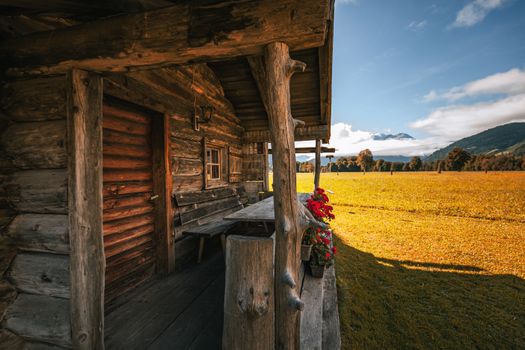
Topton sits at roughly 3,500 feet elevation, which is one reason summer mornings here feel cooler than they do in the valleys. The Cabins at Long Branch offers four handcrafted cabins on 40 private acres near the Nantahala National Forest, a setup that suits anglers who want to fish early and be back at a firepit by dark.
Dogwood Breeze and Sassafras Breeze are two-bedroom cabins with vaulted ceilings, stacked stone fireplaces, covered porches, and room for six, starting at $169 per night. Tulip Poplar is a one-bedroom retreat for two with a wood-burning stove, sunroom, and porch swing, also from $169 per night. Sky Breeze is a three-bedroom, three-bath accessible cabin with long-range mountain views that sleeps six, from $300 per night. All four include full kitchens, fiber WiFi, and washers and dryers, which matters when your waders need to dry overnight before another morning on the river.
Frequently Asked Questions
What kinds of trout live in the Nantahala River?
The Nantahala holds all three species of trout, and above Nantahala Lake those three species have wild populations present. That upper stretch is managed as a Wild Trout Stream. The lower river produced the North Carolina state record brown trout at 24 pounds 10 ounces, so large browns are part of the story too. Confirm current regulations before you fish any section.
Do you need a guide to fish the Nantahala River?
No. Plenty of anglers fish the Nantahala on their own, and the river is accessible across much of its length. A guide helps most with reading unfamiliar water, choosing flies, and managing strong flow safely. Guided fly fishing trips through Nantahala Outdoor Center start at $360, run about eight hours, and are open to ages 10 and up.
Can you wade across the Nantahala River?
Anglers describe the Nantahala as flowy, and in most of the river you can no longer wade across from bank to bank. Wading is still realistic along edges, gravel bars, and shallower runs, but pick crossings deliberately and use a wading staff. Ask a local outfitter about water conditions the day you plan to fish.
When do guided fishing trips run on the Nantahala?
Nantahala Outdoor Center lists its guided Nantahala fly fishing trips from March through October, with instruction, equipment, and lunch included on full-day trips. Independent guides and fishing schools set their own calendars, so confirm availability directly if you want a specific date in 2026, since schedules and pricing can change from season to season.
Where should you stay when fishing near Topton?
The Cabins at Long Branch sits on 40 private acres in Topton, close to the Nantahala River and Nantahala National Forest. Four cabins are available: Dogwood Breeze, Sassafras Breeze, Sky Breeze, and Tulip Poplar. Two-bedroom cabins start at $169 per night, and the accessible three-bedroom Sky Breeze starts at $300 per night.