
Topton sits at the southern mouth of the Nantahala Gorge, which means anglers staying here can be standing in cold, moving water within a few minutes of finishing breakfast. North Carolina Game and Fish named the Nantahala River one of the ten best trout waters in the state, and the river holds that reputation across all four seasons. This guide covers the stretches worth fishing, what a realistic day on the water looks like, how to work with local guides and schools, and how to set up a comfortable basecamp for a multi-day trout trip.
Why the Nantahala River Earns Its Reputation
The Nantahala is described as a protected trout stream with roughly eight miles of world class trout fishing below the lake. That is a meaningful stretch of fishable water, and it is one of the reasons the river shows up on so many short lists of Southern trout destinations. Unlike freestone streams that blow out after a storm or bake in late summer, the Nantahala is a four-season fishery. Spring runoff, summer cold water releases, fall hatches, and quiet winter afternoons all offer something to an angler willing to read the conditions.
Excellent trout fishing can be found in most parts of the river according to published angling guides, including the headwaters above Nantahala Lake and the water below it. That is a rare thing in one drainage. You can chase wild fish high in the system and heavier stocked or holdover water lower down, all inside a single trip.
Three Stretches of the Nantahala Worth Understanding
The headwaters above Nantahala Lake
The river above the lake is managed as a Wild Trout Stream, and all three species of trout have wild populations present in that stretch. Wild water means smaller, spookier fish in tighter water, and it rewards a quiet approach, short casts, and careful wading. Because it is managed differently than the water below the dam, the rules and the fishing pressure are different too. If you want a backcountry feel without a long hike, this is the section to study.
The upper Nantahala below the lake
Below the lake, the character changes. Water temperatures stay more consistent, flows are more predictable, and the fish tend to be larger and more numerous. This is the stretch most visiting anglers picture. It is also the stretch where a well-timed trip can produce a genuinely memorable day, since fish here feed on a steady diet of drifting insects and are used to seeing artificial flies and lures.
The eight protected miles in the gorge
The protected water through the gorge is the section with the biggest reputation, and it is where most guide trips run. Expect company on weekends in spring and fall, and expect the river to feel bigger and pushier than a typical mountain creek. Hatches come off through the season, but a deep drift with a weighted nymph or a well-presented streamer often does the heavy lifting when nothing is rising.
What a Realistic Day on the Water Looks Like
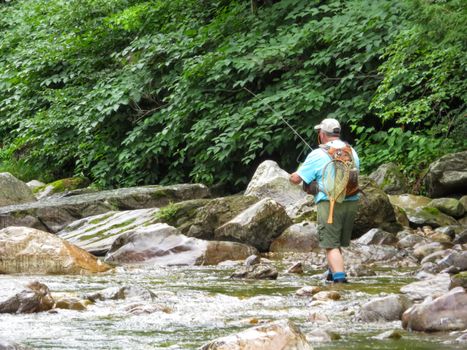
Experienced anglers report catching somewhere in the range of 10 to 40 fish on a good day on the Nantahala. That is a wide range on purpose. The river rewards anglers who can read seams, mend line, and cover water efficiently, and it can humble anyone who fishes it like a small creek. The water is described as very flowy, and in most places you can no longer wade across the river. Plan your crossings before you commit, and consider a wading staff if you are new to pushy tailwater.
- Fish the edges of current seams first, then work the deeper slots.
- Bring a wading staff and studded boots. The riverbed is slick and the current is strong.
- Carry layers. Topton sits at roughly 3,500 feet of elevation, so mornings and evenings run cooler than the surrounding valleys.
- Pack a rain shell even on a clear forecast. Mountain weather turns quickly.
- Keep a dry bag for phones and keys if you plan to wade deep.
Guided Trips and Fly Fishing Schools
If you are new to the river, or new to fly fishing altogether, the Nantahala has infrastructure that most mountain streams lack. Nantahala Fly Fishing Company offers half-day clinics, full-day private instruction, two-day fly fishing schools, and guided fly fishing trips on these waters. Local outfitters in the Bryson City area run guided trips as well.
A half-day clinic is a sensible first move for a beginner. You get instruction, a local read on what the fish are eating, and a chance to learn the wading rhythm of a big tailwater without burning a full day figuring it out. Anglers who already cast well often book a full-day guide trip for the opposite reason: to be put on water they would not have found on their own.
Licensing, Regulations, and Local Verification
Fishing rules change, and this guide does not pin down current season dates, size limits, bait restrictions, or license requirements. Before you fish, verify the current regulations with the state wildlife agency that manages North Carolina fisheries, and confirm any special rules that apply to the Wild Trout Stream section above the lake. Local fly shops in the Bryson City and Nantahala area can confirm what is in effect for the week you are visiting. This is especially important if you plan to fish both the wild water and the stocked stretches in the same trip, since the rules are not identical.
Fishing Through the Seasons
The Nantahala is a four-season destination, which sets it apart from streams that only fish well from April through June. Spring brings active fish and higher flows. Summer offers cool water and long daylight, with the added bonus of dry fly action on the right evening. Fall is prime time for many anglers, with comfortable temperatures and feeding fish. Winter thins the crowds and can be surprisingly productive for anglers willing to fish slowly in the cold. Cabin stays in this part of the mountains come with winter driving considerations, so plan accordingly if your trip falls after the first snow.
Make Topton Your Basecamp
Topton puts you close to the gorge, the lake, and the river without the traffic of a larger town. The Cabins at Long Branch sits on 40 private acres near the Nantahala National Forest, with four handcrafted cabins that suit different kinds of fishing parties. All of them include full kitchens, fiber WiFi, fireplaces or wood-burning stoves, and a firepit for the evening after you hang up your waders.
| Cabin | Layout | Sleeps | Starting Rate |
|---|---|---|---|
| Dogwood Breeze | 2BR with 19-ft vaulted ceilings and stacked stone fireplace | 6 | From $169/night |
| Sassafras Breeze | 2BR with 19-ft vaulted ceilings and stacked stone fireplace | 6 | From $169/night |
| Sky Breeze | ADA-accessible 3BR/3BA with long-range mountain views | 6 | From $300/night |
| Tulip Poplar | 1BR romantic retreat with wood-burning stove and sunroom | 2 | From $169/night |
Anglers traveling solo or as a couple tend to gravitate toward Tulip Poplar for the quiet and the enclosed sunroom. Two fishing buddies sharing a trip get plenty of room in Dogwood Breeze or Sassafras Breeze. Families and multi-generational groups, including guests who need step-free access, are best served by Sky Breeze.
Beyond Trout: The Rest of the Trip
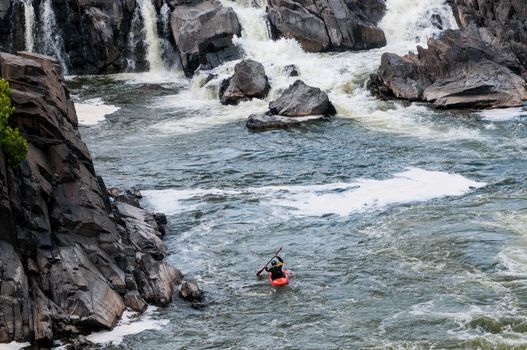
Trout fishing is the anchor, but the Nantahala area rarely limits a trip to one activity. Whitewater rafting and kayaking run through the gorge, the Nantahala National Forest opens up hiking and mountain biking on an extensive trail network, and Nantahala Lake handles boating and still-water fishing. Tsali and Wayah Bald are both within reach for a half day away from the river. That range makes it easy to build a trip where one person fishes the morning and everyone else joins for the afternoon.
A Simple Two-Day Rhythm
Day one, start early on the water below the lake while the light is still low and the river is quiet. Break for lunch, then spend the afternoon with a guide or a local fly shop to sharpen your read of the seams you fished in the morning. Day two, either return to the water you learned or drive up to the headwaters and fish the wild trout stretch for a completely different experience. Finish with a firepit and a short drive back to the cabin.
What makes the Nantahala work as a repeat destination is the combination of scale and variety. There is enough river to justify several trips, enough structure that a beginner can get help, and enough surrounding recreation that a fishing-focused weekend does not have to be a fishing-only weekend. Book early in spring and fall, verify your regulations before you go, and give yourself at least two days. The river rewards the second morning more than the first.
Frequently Asked Questions
Is the Nantahala River good for beginner trout anglers?
It can be, with the right setup. The water is pushy and wading across the river is difficult in most places, which makes a guided half-day clinic a smart starting point. Local outfitters offer half-day clinics and full-day private instruction. Learn to read seams and wade safely first, then the fishing gets much easier.
How many trout can I expect to catch in a day?
Experienced anglers report catching roughly 10 to 40 fish on a good day. Beginners should expect far fewer while they learn the water. The wide range reflects how much conditions, flow, and presentation matter here. A guide trip shortens the learning curve considerably if numbers are your goal.
Where can I fish above Nantahala Lake?
The river above the lake is managed as a Wild Trout Stream, and all three trout species have wild populations in that section. It fishes differently from the water below the dam, with smaller, spookier fish. Regulations differ from the lower river, so confirm current rules with the state wildlife agency before you go.
Do I need a guide to fish the Nantahala?
No. Plenty of anglers fish it independently, and the protected stretch through the gorge is well known. A guide helps most with wading safety, fly selection, and access points that are not obvious on a first visit. Repeat visitors often fish on their own and book a guide only when conditions get tricky.
When is the best time of year to fish the river?
The Nantahala is a four-season fishery, so there is no single answer. Spring and fall draw the most anglers and offer comfortable conditions. Summer delivers cool water and evening dry fly action. Winter is quiet and can still produce fish for anglers willing to slow down and dress for cold mountain mornings.